

UPDATE June 10, 2026:
DEMING – State animal health officials say New Mexico still has only one confirmed case of New World screwworm, with no additional detections reported.
The confirmed case involved a dog in Lea County. Following confirmation of the case, officials established a 12-mile response zone around the affected location to support surveillance, treatment and safe animal movement. The New Mexico Livestock Board also issued an Emergency Animal Health Declaration on June 9 to activate response efforts with state and federal partners.
Officials emphasized that there is no impact on the food supply. New World screwworm does not affect meat, and the commercial food system remains safe.
Animal owners are encouraged to continue monitoring livestock and pets for non-healing wounds, unusual irritation, or signs of infestation and to report concerns to the New Mexico Livestock Board. Additional information is available at ScrewwormNM.org.
DEMING – A confirmed case of New World screwworm in a New Mexico dog is drawing attention from animal health officials and raising concerns for livestock owners and pet owners across the region.
Federal officials recently confirmed the state’s first case in a dog from Lea County. The New Mexico case follows several confirmed cases in Texas involving calves and a goat.
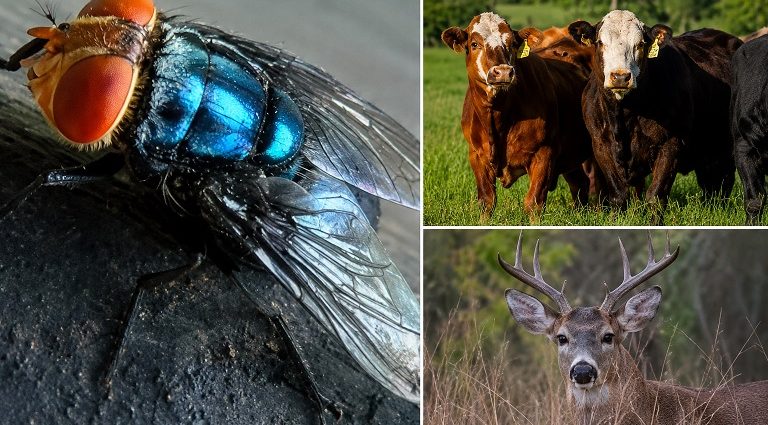
New World screwworm is the larva of a parasitic fly. Unlike common maggots that feed on dead tissue, screwworm larvae feed on living flesh. The flies lay eggs in open wounds or body openings of warm-blooded animals. Once the eggs hatch, the larvae burrow into tissue, creating painful and potentially serious wounds.
The parasite can affect livestock, wildlife, household pets, and, in rare cases, humans. Health officials say there have been no locally acquired human cases reported in the United States during the current outbreak, but people can become infected if flies lay eggs in open wounds.
The New Mexico case may be of particular interest to pet owners because the infected animal was a dog rather than livestock. Veterinarians are encouraging owners to routinely inspect dogs and cats for wounds, sores, unusual drainage, foul odors, visible maggots, or signs that an animal is repeatedly licking or guarding a painful area.
Areas around the ears, eyes, nose, mouth, genitals, and any existing wounds should be checked carefully. Early detection and treatment are critical.
Treatment is available but requires prompt veterinary care. Larvae must be removed and destroyed, and affected wounds must be properly treated to prevent further damage.
Animal health officials say the current outbreak has been moving north through Central America and Mexico, increasing concerns for states along the southern border.
Anyone with questions about New World screwworm or how to protect livestock and pets may contact Jack Blandford, Luna County Extension Agent, at 210 East Poplar Street in Deming.
By John Krehbiel – Bravo Mic Communications – John@Bravomic.com